Paid Advertising


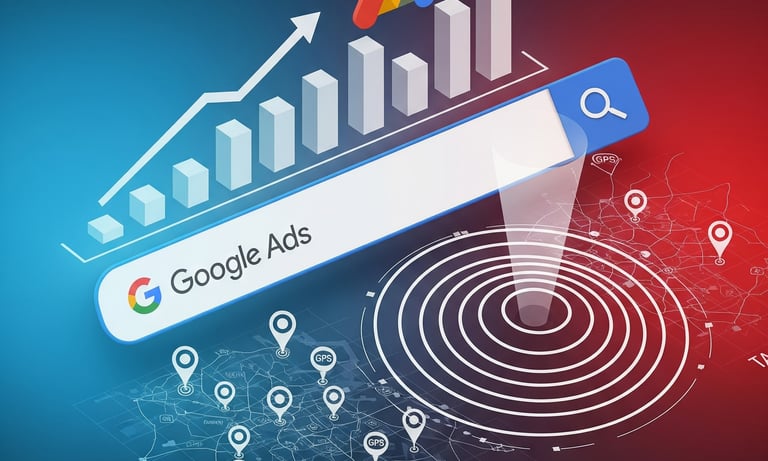
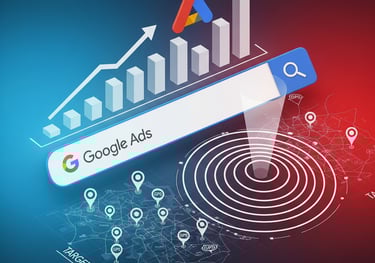
Google Ads
- Search Network:
How it works: These are text ads that appear in Google search results when users enter specific keywords (searches). They often appear at the top of the results page, labeled as "Advertisement" or "Ad".
Principles: It works based on the "pay-per-click" (PPC) model, where the advertiser only pays when someone clicks on their ad.
Advantage: Reaches users with a high "readiness to buy" because they are actively searching for something.
- Display Network:
How it works: These are visual ads (images, banners, videos) that appear on millions of websites, apps, and videos in the Google partner network (e.g. YouTube, Gmail, and thousands of other sites).
- Video Ads (YouTube Ads):
How it works: These are video ads that appear on YouTube before, during, or after videos, as well as in YouTube search results.
Best uses: Extremely effective for telling stories, showcasing products, and building an emotional connection with your audience.
- Shopping Ads:
How it works: They display product images, prices, and store names directly in Google search results.
Principles: Ideal for online stores, as they provide users with key product information before they click.
Data: They require a "product feed" with detailed information about each product.
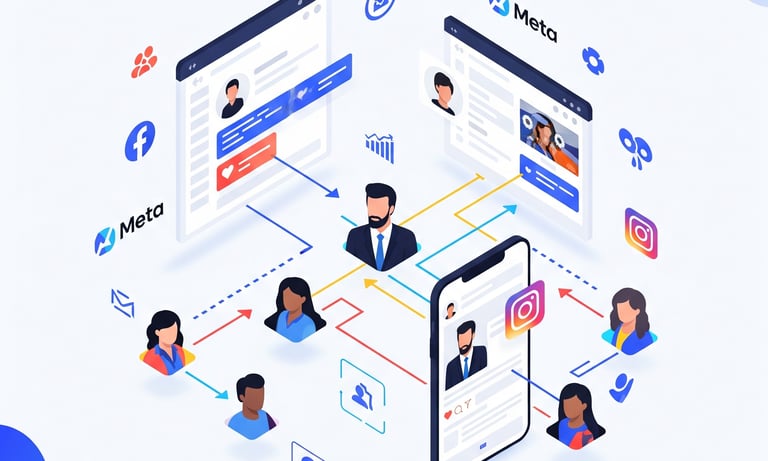
Meta Ads and Content
- Platforms: Covers Facebook, Instagram, Messenger, and Audience Network, giving you a wide reach.
- Formats: Offers a variety of formats such as single images, videos, carousels (a series of images/videos), collections, and more, allowing for creativity and adaptability.
- Goals: Can be set up for different marketing goals, such as:
Awareness: To reach as many people as possible and increase brand awareness.
Traffic: To drive users to your website or a specific page.
Engagement: To increase likes, comments, and shares on posts.
Leads: To collect information about potential customers.
Sales/Conversions: To encourage users to take a desired action, such as a purchase or signup.


TikTok Ads and Content
- Format: The primary format is short vertical videos that appear between organic videos on the For You page.
- Ad Types:
In-Feed Ads: The most common, they appear in the For You feed. They can have calls to action.
TopView Ads: Full-screen ads that appear immediately after opening the app, ensuring maximum visibility.
Brand Takeover: Exclusive, full-screen ads that dominate the screen for a few seconds before the user enters the For You feed.
Branded Hashtag Challenges: Campaigns that encourage users to create content using a specific hashtag related to the brand. This is a highly effective way to get user-generated content (UGC) and viral marketing.
Branded Effects: Custom filters, stickers, and effects that users can use in their videos.
- Campaign Goals:
Brand Awareness: To reach the maximum number of users.
Traffic: To drive users to a website or app.
App Installs: To encourage app downloads.
Lead Generation: To collect contact information.
Conversions: To make purchases or other desired actions.
Why Paid Advertising Matters
Paid advertising has become an essential tool in modern digital marketing, and incorporating it into a business strategy is no longer optional but necessary. In a world saturated with information and competition, paid campaigns provide a direct and measurable way to reach your target audience, generate sales and build a strong brand presence.
Immediate Access to Your Target Audience
One of the greatest advantages of paid advertising is the ability to reach your audience instantly.
Unlike organic marketing methods such as SEO or organic social media content, which require time to build visibility, paid advertisements can place your brand in front of potential customers within minutes.
For example:
With Google Ads, your business can appear at the top of search results immediately after launching a campaign.
With Meta or TikTok advertising, content can instantly be shown to highly targeted audiences based on demographics, interests and behaviour.
This speed is particularly valuable for businesses launching new products, seasonal offers or time-sensitive promotions.
Precise Targeting and Cost Efficiency
Another key benefit of paid advertising is extremely precise targeting.
Advertising platforms allow businesses to display ads only to users who are most likely to become customers. Targeting options may include:
Age and gender
Geographic location
Interests and online behaviour
Previous interactions with your website (remarketing)
This approach eliminates wasted advertising spend on irrelevant audiences and ensures that your marketing budget is used efficiently.
As a result, businesses achieve higher return on investment (ROI) because every pound spent is directed towards users who already show interest in their products or services.
Measurability and Flexibility
Paid advertising also offers unmatched measurability and flexibility.
Every campaign can be tracked in real time, providing detailed data such as:
Number of impressions
Clicks
Conversion rates
Sales or leads generated
These insights are extremely valuable because they allow businesses to quickly identify what works and what does not.
Campaigns can be continuously optimised by:
Testing different ad creatives (A/B testing)
Adjusting targeting strategies
Reallocating budget to higher-performing ads
The ability to launch, pause, modify or scale campaigns at any time gives businesses full control over their marketing efforts.
Conclusion
Paid advertising is not a luxury — it is a strategic investment.
By providing immediate access to target audiences, precise targeting capabilities, efficient budget management and continuous optimisation, paid campaigns offer a powerful solution for businesses looking to increase visibility, attract more customers and achieve sustainable growth in the digital age.
Contacts
Telephone:
Email: sales@digital-evolution.net